From Chips to Cracks: Understanding Your Auto Glass Repair Options
Imagine driving down the road when suddenly, a small rock hits your windshield, leaving a tiny chip. It might not seem like a big deal at first, but ignoring it can lead to bigger problems down the line. Auto glass damage is more common than you might think, and understanding your repair options is crucial for maintaining the safety and appearance of your vehicle.
From minor chips to extensive cracks, each type of damage demands a unique solution. Let’s delve into the world of auto glass damage and discover how to address it effectively.
Types of Auto Glass Damage
Auto glass damage comes in many forms. Here are some common types:
Chips
Chips are small, round damage spots caused by rocks or debris hitting your windshield. They are usually less than a quarter in size. While they might seem minor, chips can quickly spread into larger cracks if not repaired.
Cracks
Cracks are lines that can vary in length. They can be short or extend across your entire windshield. Cracks often start from chips that have not been repaired in time.
Star Breaks
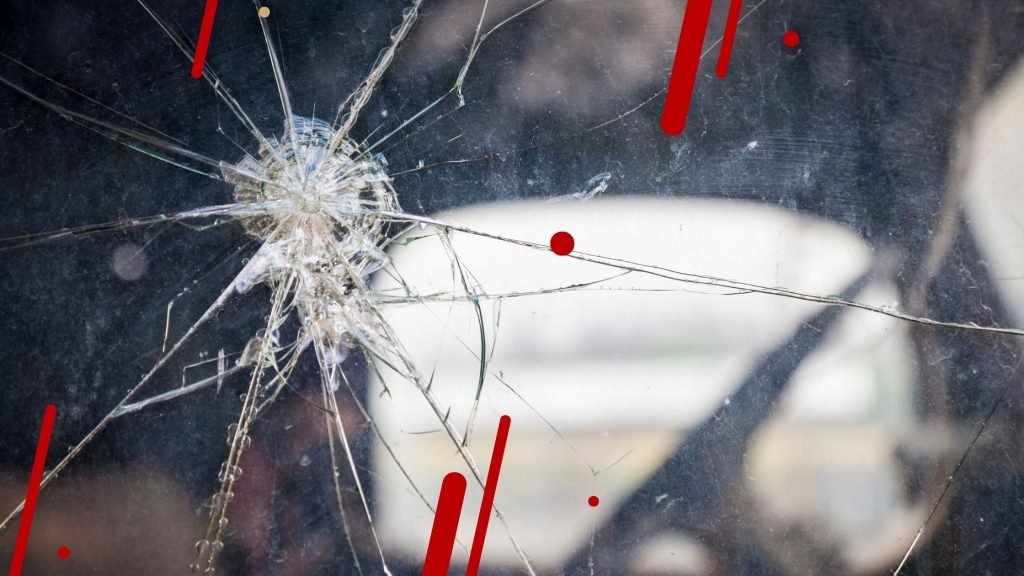
Star breaks are a type of chip that looks like a starburst with several small cracks radiating from the center. These are caused by a direct hit from a hard object.
Bullseye
A bullseye is another type of chip that has a circular shape with a darker center, resembling a bullseye target. This type of damage is also caused by direct impact from debris.
Why You Shouldn't Ignore Auto Glass Damage
Ignoring auto glass damage can lead to bigger problems. Here’s why you should get it fixed right away:
Safety Concerns
Your windshield is a crucial part of your car’s safety system. It provides structural support and helps your airbags deploy correctly. A damaged windshield can weaken this support and put you at risk during an accident.
Visibility Issues
Even small chips or cracks can obstruct your view while driving. This can be dangerous, especially in poor weather conditions. Clear visibility is essential for safe driving.
Cost Implications
Small repairs are much cheaper than full replacements. If you ignore a chip, it can turn into a crack that requires a complete windshield replacement, costing you more money.
Repair Options for Different Damage
Now that we know the types of damage and why it’s important to fix them, let’s look at the repair options available.
Chip Repair
Chip repair is a quick and affordable option. Technicians use a special resin to fill the chip and prevent it from spreading. The process usually takes about 30 minutes and can be done at a repair shop or through mobile services.
Crack Repair
Small cracks can sometimes be repaired using the same resin method as chip repair. However, larger cracks often require a full windshield replacement. It’s important to get cracks assessed by a professional to determine the best course of action.
Star Break and Bullseye Repair
Both star breaks and bullseyes can be repaired if they are small enough. The repair process involves injecting resin into the damaged area to restore the glass’s integrity. If these types of damage are too large or deep, a replacement might be necessary.
When Replacement is Necessary
Sometimes, repairs are not enough, and replacement is the only option. Here are some situations where you’ll need a new windshield:
Long Cracks
Cracks longer than a few inches usually require a replacement. These cracks can compromise the structural integrity of your windshield, making it unsafe.
Deep Damage
If the damage is deep and penetrates through multiple layers of the glass, a replacement is needed. Deep damage cannot be fixed with simple repairs and poses a safety risk.
Multiple Chips or Cracks
If your windshield has several chips or cracks, it’s often better to replace it. Multiple points of damage weaken the glass and make it more likely to shatter.
Choosing the Right Service
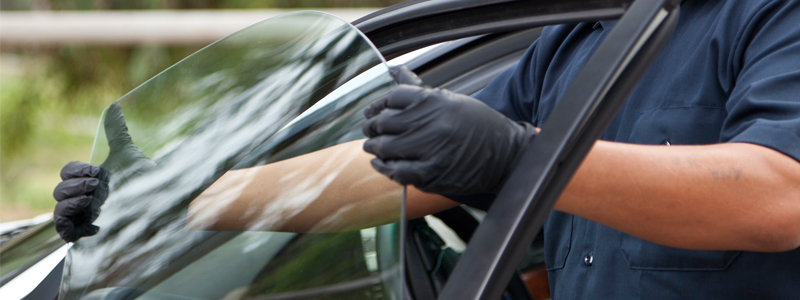
When it comes to auto glass repair or replacement, choosing the right service is crucial. Here’s what to look for:
Certified Technicians
Ensure the technicians are certified and experienced. Proper training ensures the repair or replacement is done correctly and safely.
Quality Materials
Check that the service uses high-quality glass and repair materials. Poor-quality materials can lead to further damage and safety issues.
Mobile Services
Many companies offer mobile services, coming to your location to fix the damage. This can save you time and make the process more convenient.
Warranty
Look for a service that offers a warranty on their work. A good warranty ensures that if there are any issues after the repair or replacement, they will fix it without extra cost.
Preventing Future Damage
After getting your auto glass repaired or replaced, it’s important to take steps to prevent future damage. Here are some tips:
Drive Carefully
Avoid driving too close to trucks or vehicles carrying loose debris. Rocks and other materials can easily fly off and hit your windshield.
Park Safely
Try to park in covered or sheltered areas to protect your car from falling debris, hail, and other potential hazards. Avoid parking under trees where branches can fall and cause damage.
Avoid Temperature Extremes
Extreme temperatures can cause glass to expand and contract, leading to cracks. Try to avoid using boiling hot water to defrost your windshield or blasting your air conditioning directly onto it on a hot day.
Understanding your auto glass repair options can save you time, money, and keep you safe on the road. From fixing small chips to replacing entire windshields, knowing when and how to get repairs done is crucial. Don’t ignore auto glass damage; take action right away to ensure your car remains in top condition. Remember, a little maintenance now can prevent bigger problems later!