
Modern vehicles are equipped with Advanced Driver Assistance Systems (ADAS), designed to improve safety and comfort on the road. At the heart of these systems are ADAS Sensors Utah, which collect vital information about the vehicle’s surroundings. In this article, we’ll explore what these sensors are, how they work, and why they are so important for drivers in Utah.
What Are ADAS Sensors and How Do They Work?
ADAS Sensors Utah are electronic devices that use various technologies to detect and analyze the vehicle’s surroundings. These sensors include:
- Cameras: Capture images of the surroundings to detect lanes, traffic signs, pedestrians, and other vehicles.
- Radars: Emit radio waves to measure the distance and speed of nearby objects.
- LIDAR (Light Detection and Ranging): Use laser light pulses to create 3D maps of the surroundings.
- Ultrasonic Sensors: Measure the distance to nearby objects using high-frequency sound waves.
These sensors work in conjunction with electronic control units (ECUs) to process information and activate various driver assistance functions, such as:
- Automatic Emergency Braking (AEB): Detects imminent collisions and applies the brakes automatically.
- Lane Keeping Assist (LKA): Helps keep the vehicle within its lane.
- Adaptive Cruise Control (ACC): Adjusts the vehicle’s speed to maintain a safe distance from the vehicle ahead.
Blind Spot Detection (BSD): Alerts the driver to the presence of vehicles in blind spots.

The Importance of ADAS Sensors in Utah:
In Utah, where driving conditions can range from interstate highways to mountain roads, ADAS Sensors Utah play a crucial role in road safety. Here’s why:
- Weather Conditions: In Utah, weather conditions can be unpredictable, with snow, rain, and fog reducing visibility. ADAS sensors help maintain safety in these conditions.
- Varied Traffic: Utah’s cities have a mix of urban and suburban traffic, requiring driver assistance systems that can adapt to different situations.
- Mountain Road Safety: Utah’s mountain roads can be winding and steep, increasing the risk of accidents. ADAS sensors help maintain vehicle control in these conditions.
Maintenance and Calibration of ADAS Sensors:
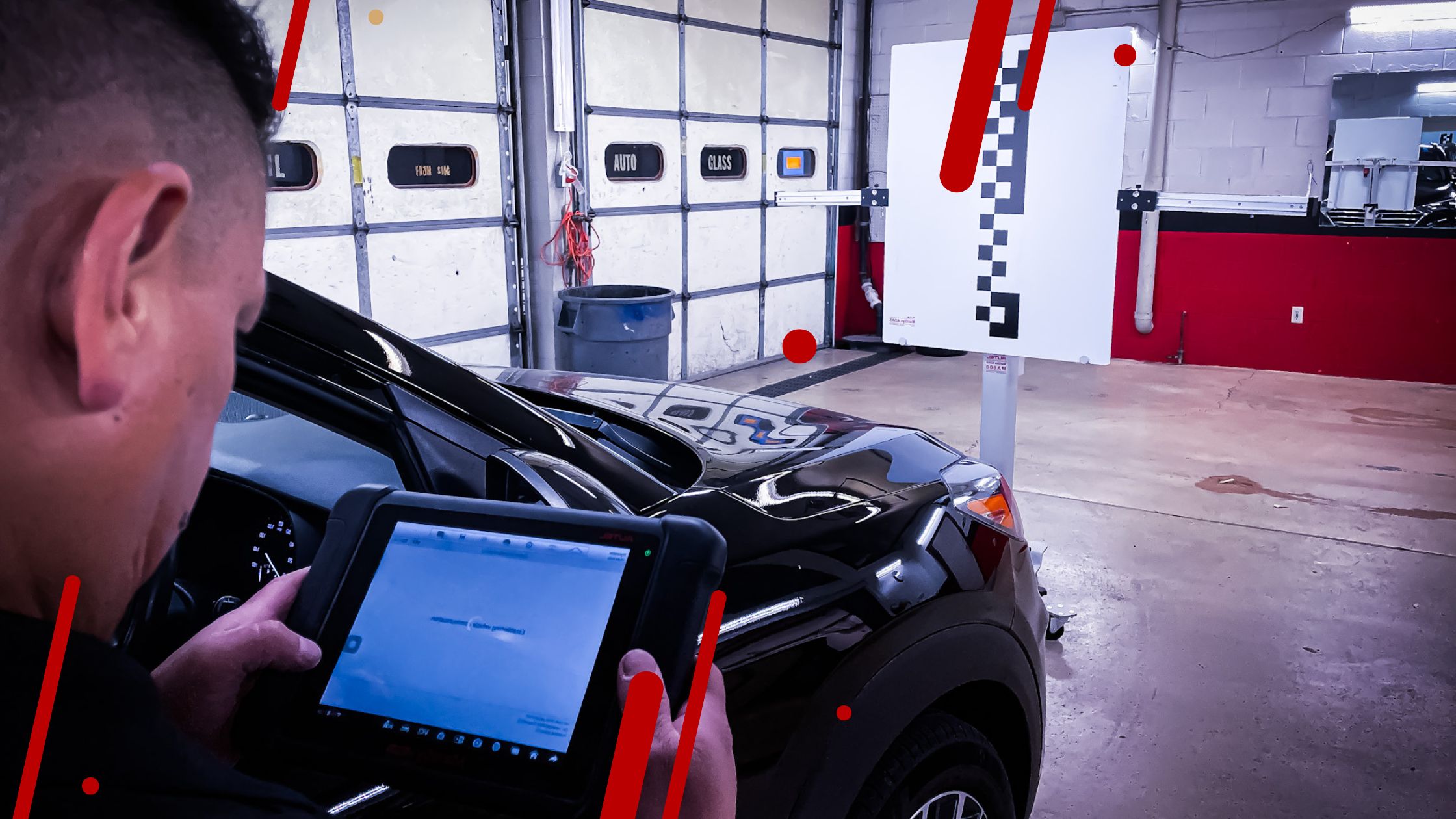
For ADAS Sensors Utah to function correctly, it’s important to keep them in good condition and calibrate them regularly. Here are some tips:
- Cleaning: Keep sensors clean from dirt, snow, and ice.
- Calibration: Calibrate sensors after any windshield, suspension, or steering component repairs or replacements.
- Inspections: Conduct periodic inspections of ADAS systems at a certified workshop.
Conclusion:
ADAS Sensors Utah are essential components of modern vehicles, improving safety and comfort on the road. By understanding how they work and how to maintain them, drivers in Utah can take full advantage of these systems and enjoy safer, more reliable driving.
