

Advanced Driver Assistance Systems (ADAS) are a marvel of modern technology, designed to make driving safer. However, for these systems to function correctly, ADAS calibration is essential. In Utah, where driving conditions can vary from highways to mountain roads, the accuracy of these systems is crucial. Unfortunately, there are common errors in the calibration process that can compromise their effectiveness. In this article, we will explore the 5 most frequent mistakes in ADAS Calibration Errors Utah and how to avoid them.
- Failure to Calibrate After Key Events:
A common mistake is not calibrating the ADAS system after events that affect vehicle alignment. This includes:
- Windshield Replacement: ADAS cameras are often mounted on the windshield. Replacing it requires calibration.
- Suspension or Steering Repairs: Any adjustments to these systems affect sensor alignment.
- Collisions or Impacts: Even minor collisions can misalign sensors.
How to Avoid It: Always perform ADAS calibration after any of these events. In Utah, where roads can be uneven, this is even more critical.
- Calibration in Inadequate Conditions:
ADAS calibration requires specific conditions, such as:
- Level Surface: Inclination affects sensor accuracy.
- Suitable Weather Conditions: Rain, snow, or fog can interfere with sensors.
- Correct Lighting: Lack or excess of light can affect cameras.
How to Avoid It: Perform calibration in a workshop with controlled conditions or strictly follow manufacturer recommendations. In Utah, this is very relevant, given the large weather variations.
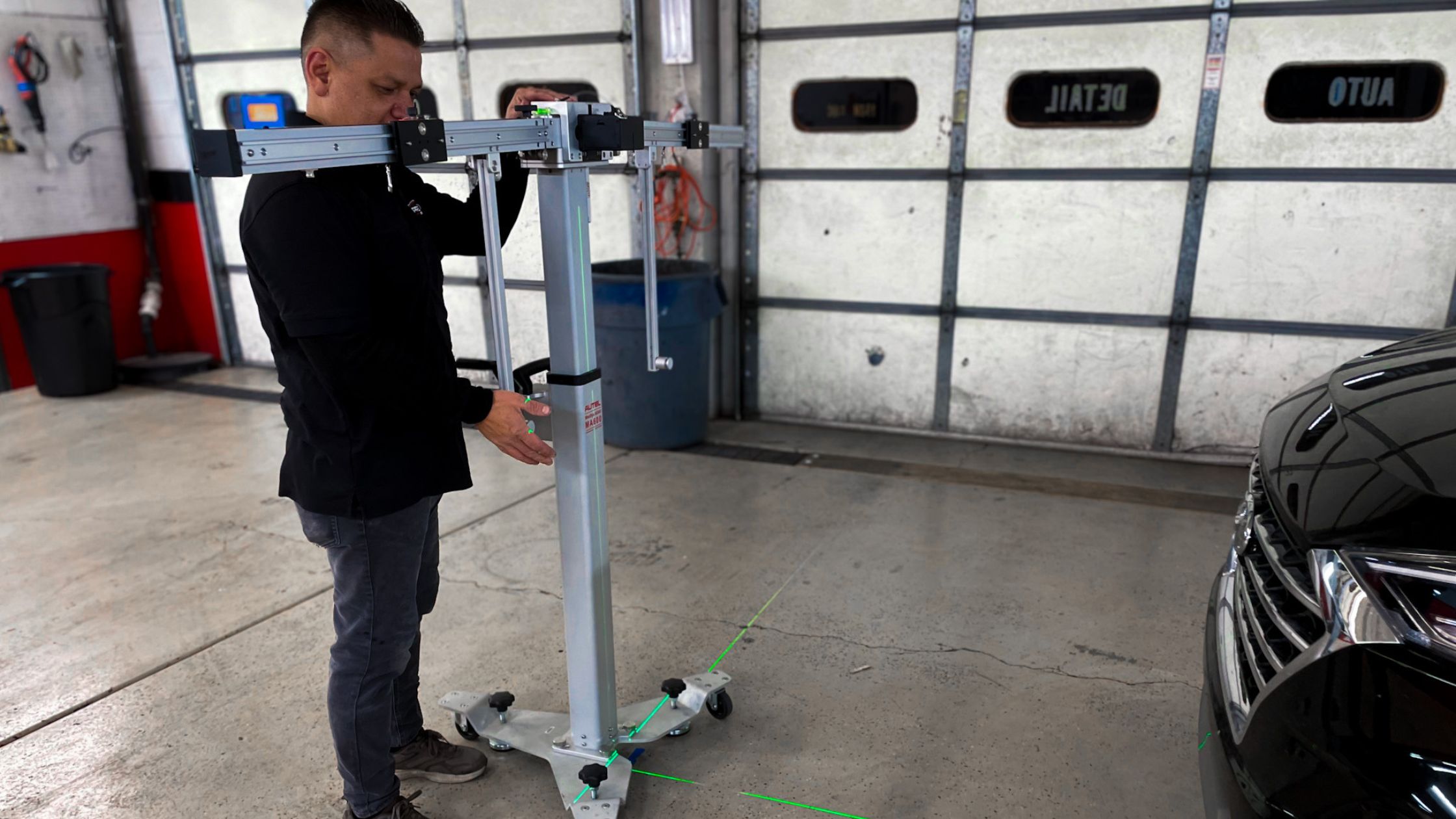
- Use of Uncertified Equipment:
Using uncertified calibration equipment can lead to inaccurate results. ADAS systems are precise and require specialized tools.
How to Avoid It: Ensure the workshop uses calibration equipment certified by the vehicle manufacturer. In Utah, look for workshops specializing in this area.
- Failure to Follow Manufacturer Procedures:
Each vehicle manufacturer has specific procedures for ADAS calibration. Ignoring these procedures can result in errors.
How to Avoid It: Ensure the technician follows the manufacturer’s guides and service bulletins.
- Failure to Perform Post-Calibration Verification:
After calibration, it is vital to verify that the ADAS systems function correctly. Failure to do so is a critical error.
How to Avoid It: Perform test drives and verify that the ADAS systems respond as expected.
Importance of Correct ADAS Calibration in Utah:
In Utah, road safety is paramount. With the diverse driving conditions, from the busy streets of Salt Lake City to the challenging mountain roads, accurate ADAS calibration is essential. By avoiding these common errors, drivers can ensure their ADAS systems work reliably, providing maximum safety.
Conclusion:
Correct ADAS Calibration Errors Utah is crucial for modern driving safety. Avoiding these 5 common errors ensures your ADAS systems function as expected. If you need professional calibration in Utah, contact.
